
Medikidz Explore
Interactive medical education games teaching children about haemophilia, blood clotting, and disease management through play.
Project Overview
At Medikidz, we turned complex medical concepts into superhero comics and interactive games for children. I led the digital side: prototyping games in Unity3D, building interactive comics, creating augmented reality experiences for insulin education, and putting together the internal CMS and webshop.
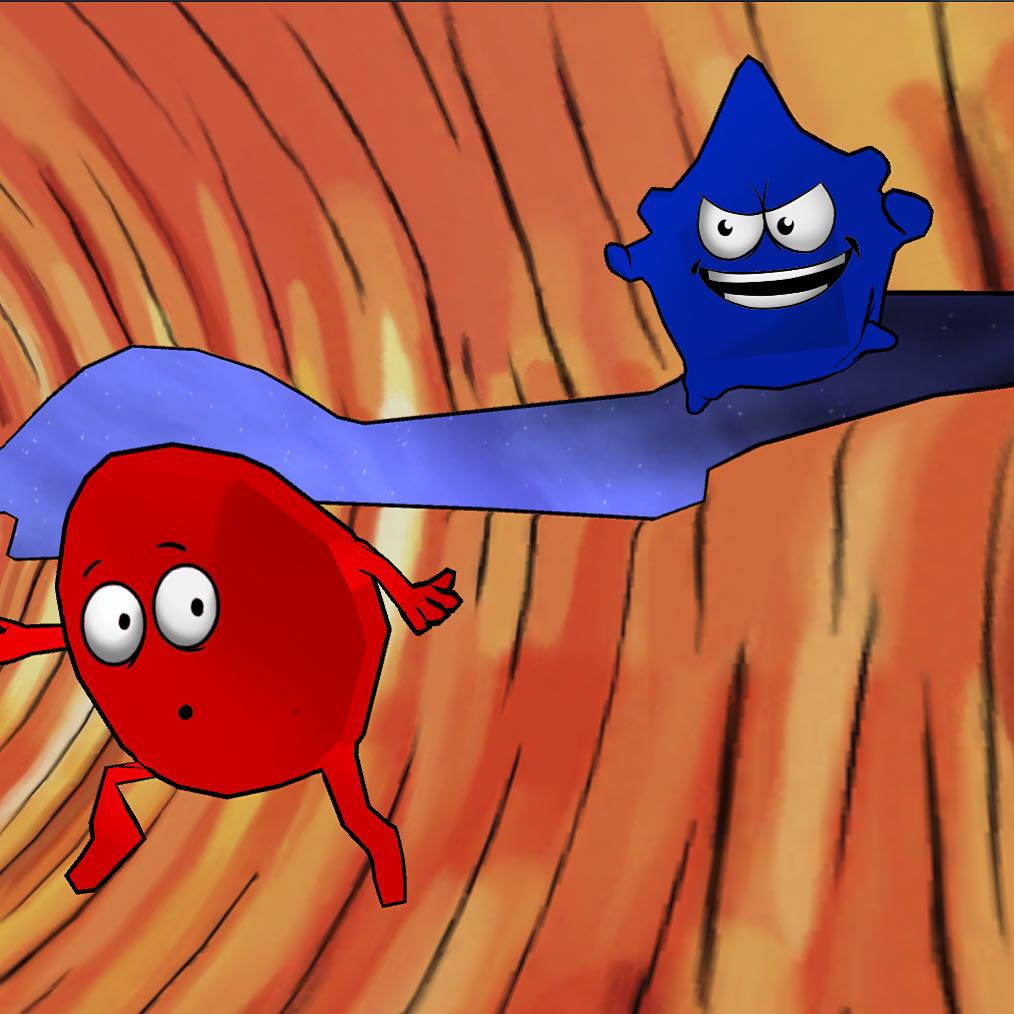
Medikidz Explore was the flagship interactive game. It taught children about haemophilia and blood clotting through characters like Abacus (a robot guide), animated red blood cells, and platelets. Children could explore the clotting cascade, learn about factor levels, and understand when to seek help, all through play.
From Whiteboard to Game
Building a game that teaches haemophilia to children meant starting from the science. I mapped out the entire clotting cascade on a whiteboard: vessel damage, platelet adhesion, clotting factors, fibrin clot formation. Then the question became: how do you make a seven-year-old care about clotting factors?
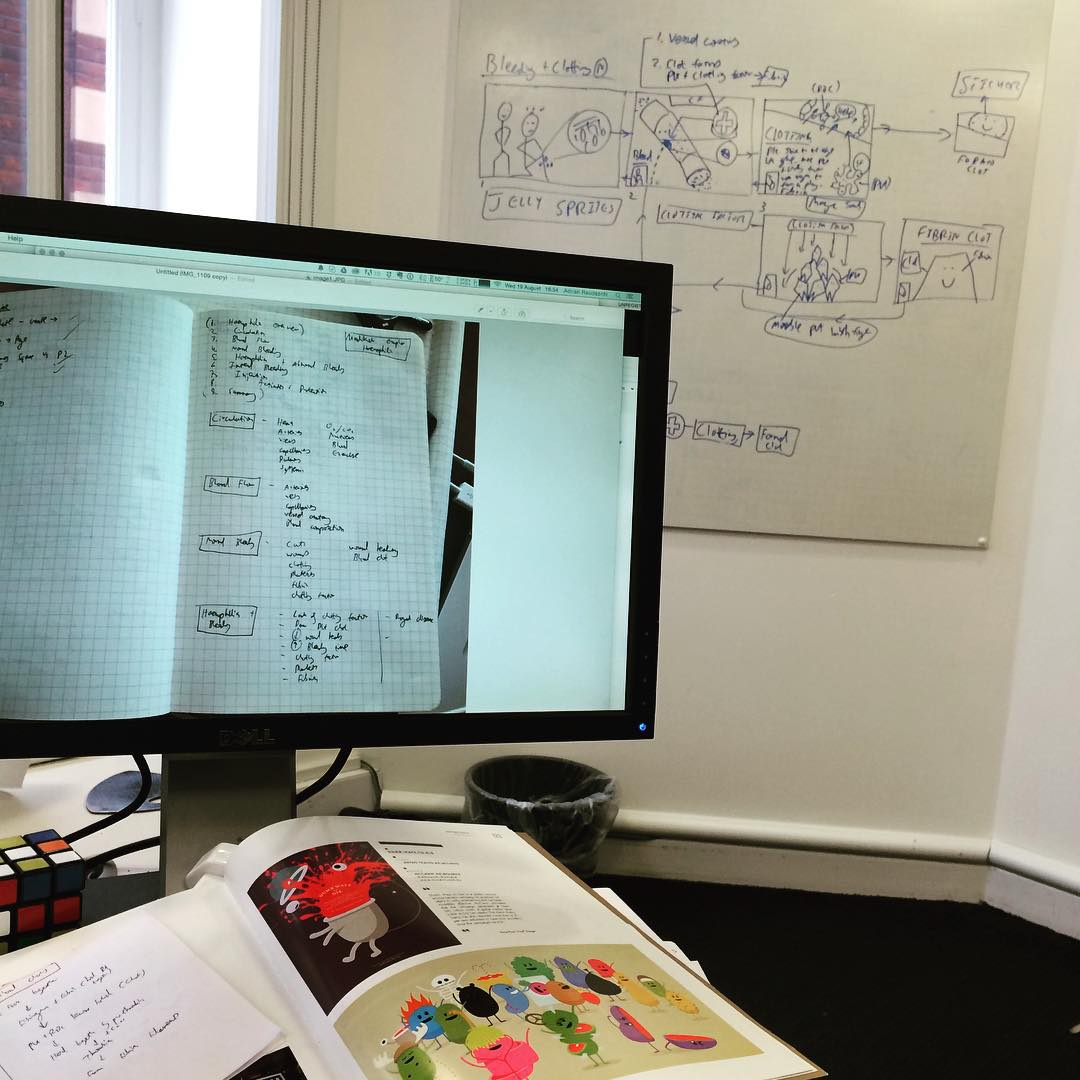
Storyboarding in the office: whiteboard flow diagrams for "Bleedy & Clotting", the Medikidz character book open for reference, and notes on haemophilia pathways.
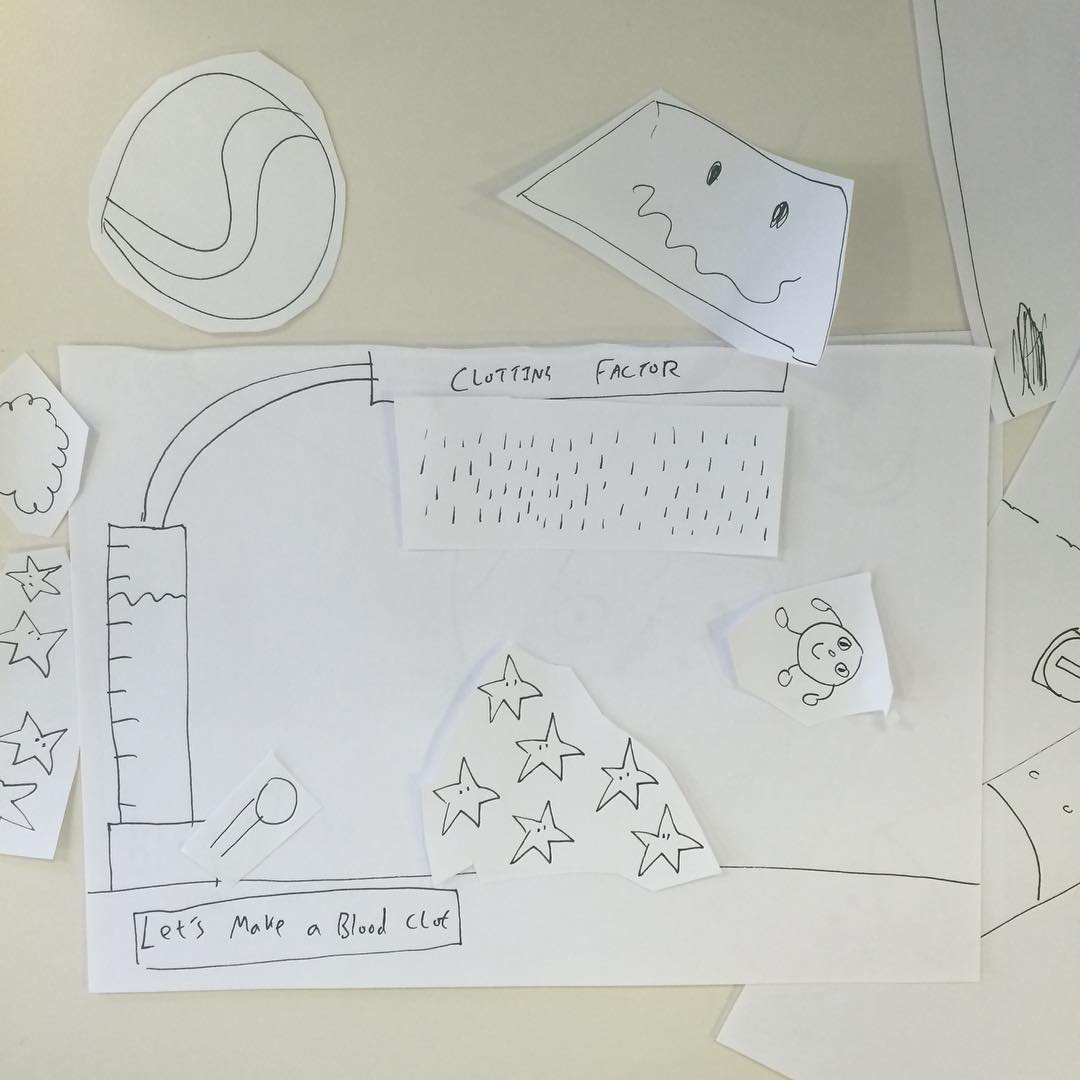
Paper prototyping: cut-out characters, hand-drawn clotting factor meters, and a "Let's Make a Blood Clot" activity. Testing whether kids could understand the cascade through play.
The answer was paper prototyping. Before writing any code, I cut out characters from paper, drew clotting factor meters, and created a physical "Let's Make a Blood Clot" activity. If a child could follow the paper version, the digital one would work.
💥The Accidental Blood Clot
One of my favourite moments in the project happened by accident. I was building a blood cell flow simulator in Unity3D, stress-testing the physics by cranking up the particle count. The red blood cells started clumping around a vessel wall junction.
My medical training kicked in before my programmer brain: "that's a thrombus." I'd accidentally simulated a blood clot through physics alone. We kept it as a feature.
That collision of medical knowledge and game development is what made this project special. Understanding the science meant I could recognise when the simulation was doing something medically accurate, even when it wasn't intentional.
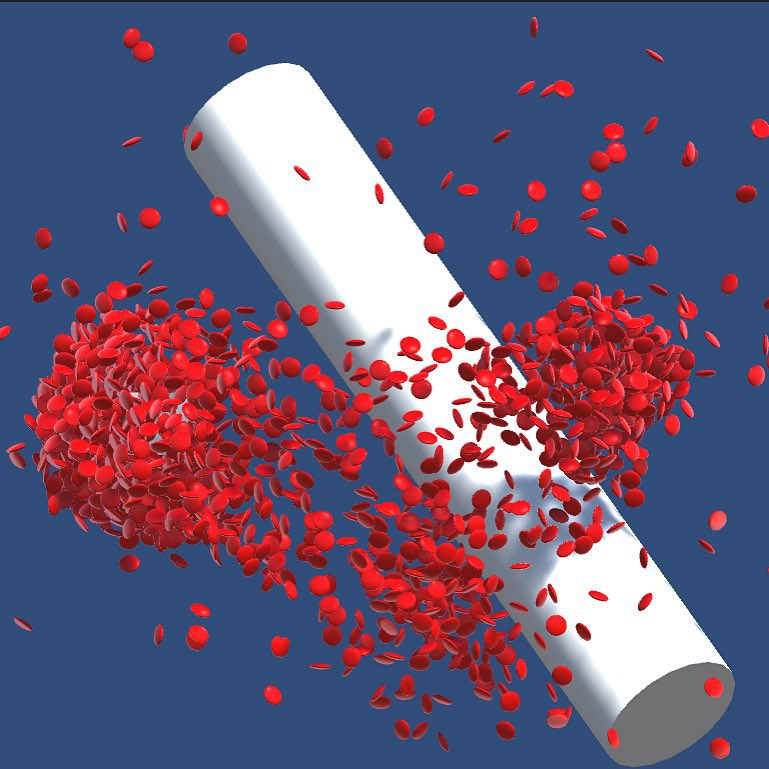
The accidental thrombus: red blood cells clumping around a vessel junction
🎮Characters and Gameplay
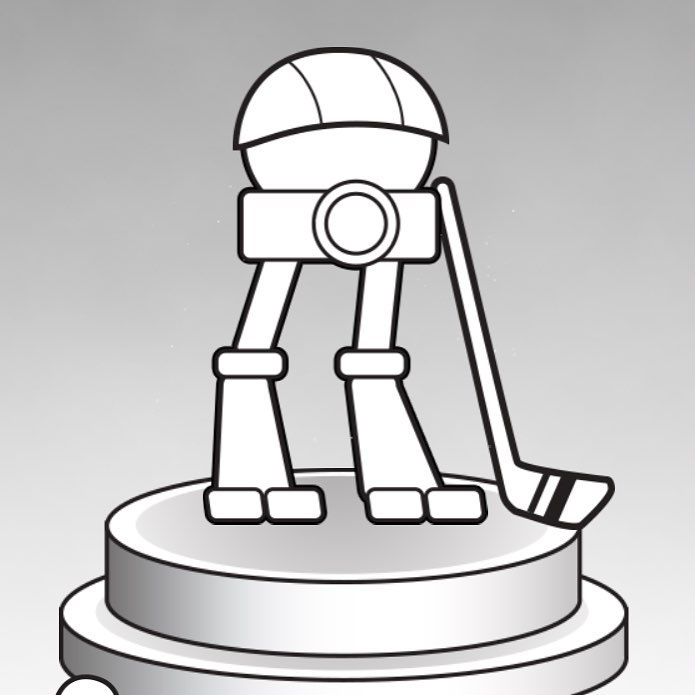
Abacus: the robot guide
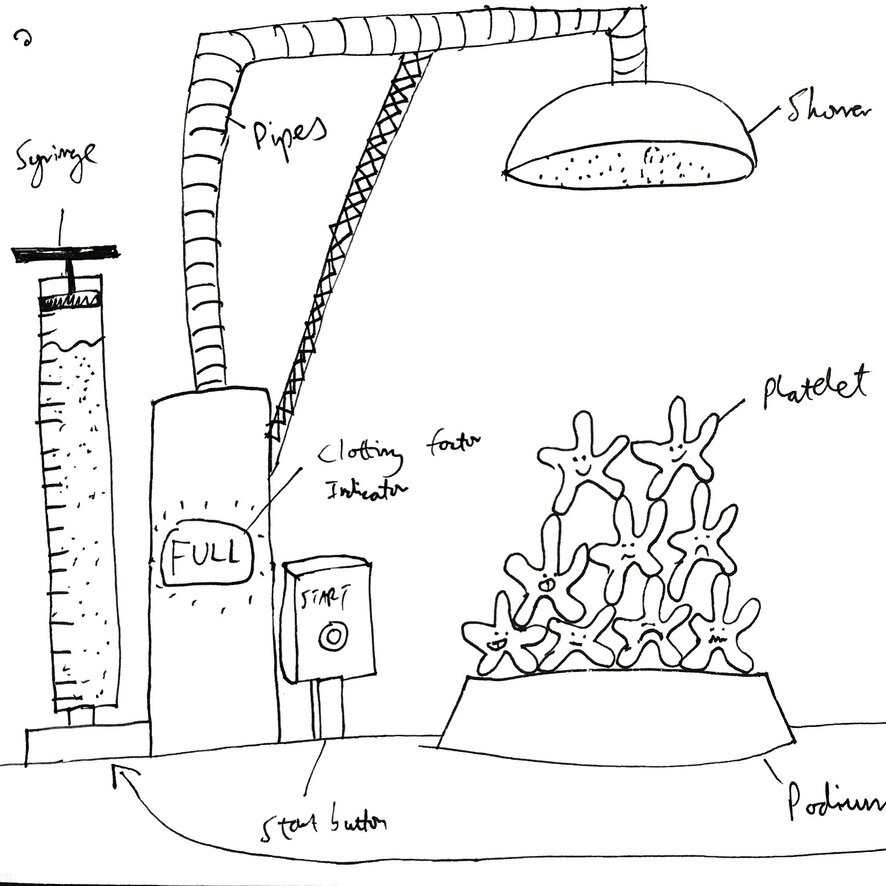
Character development sketches
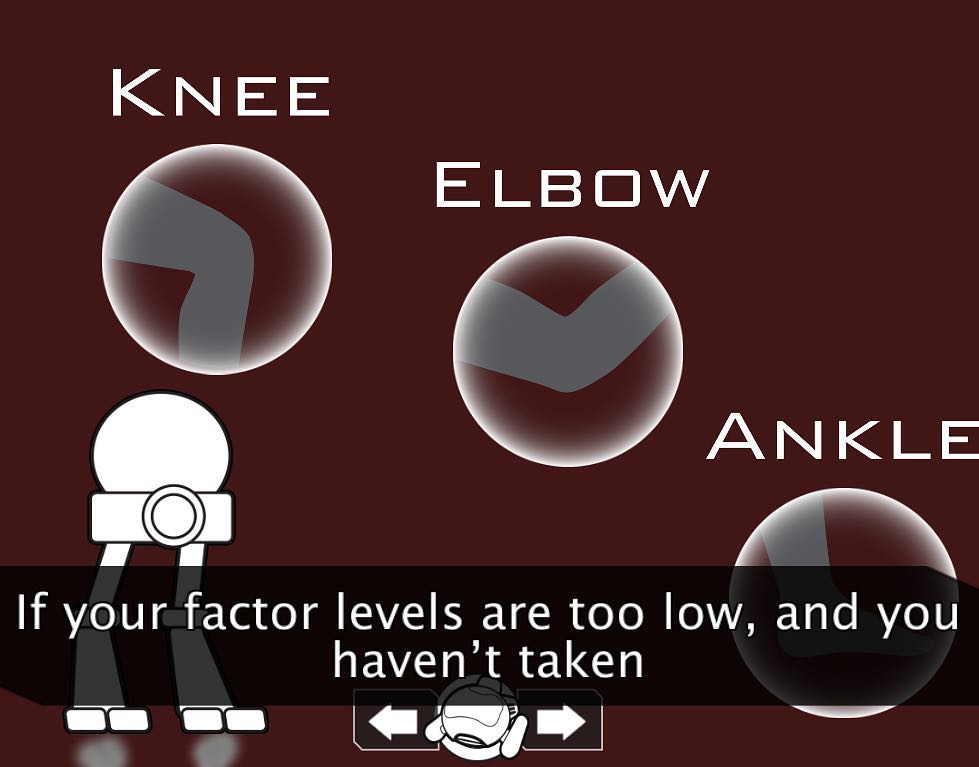
The subtitle and voiceover system
Abacus, a robot character, guided children through interactive scenarios about joint bleeds, clotting factors, and when to seek help. I built a custom subtitle and voiceover framework so the game could narrate the story with timed text and audio, making it accessible to children who couldn't read fluently yet.
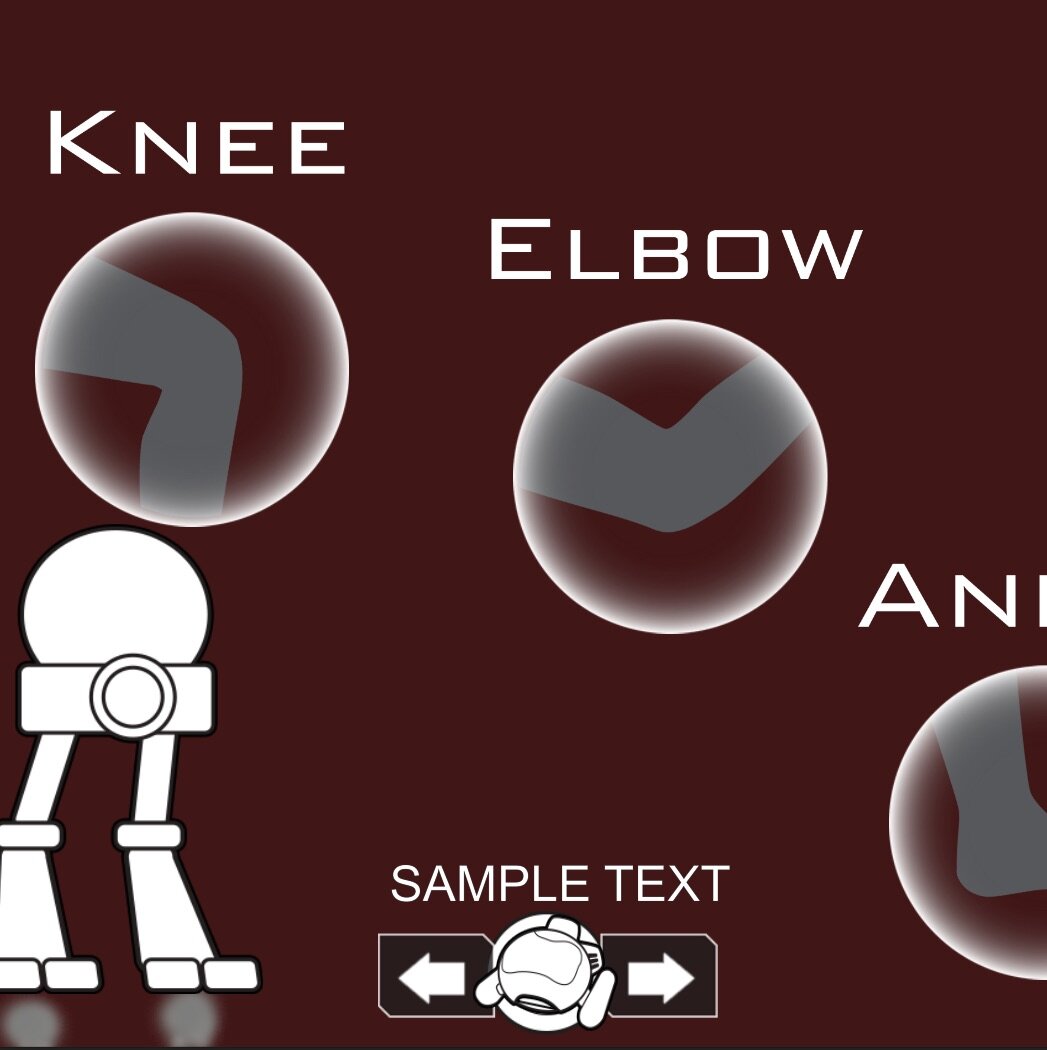
Early interactive beta
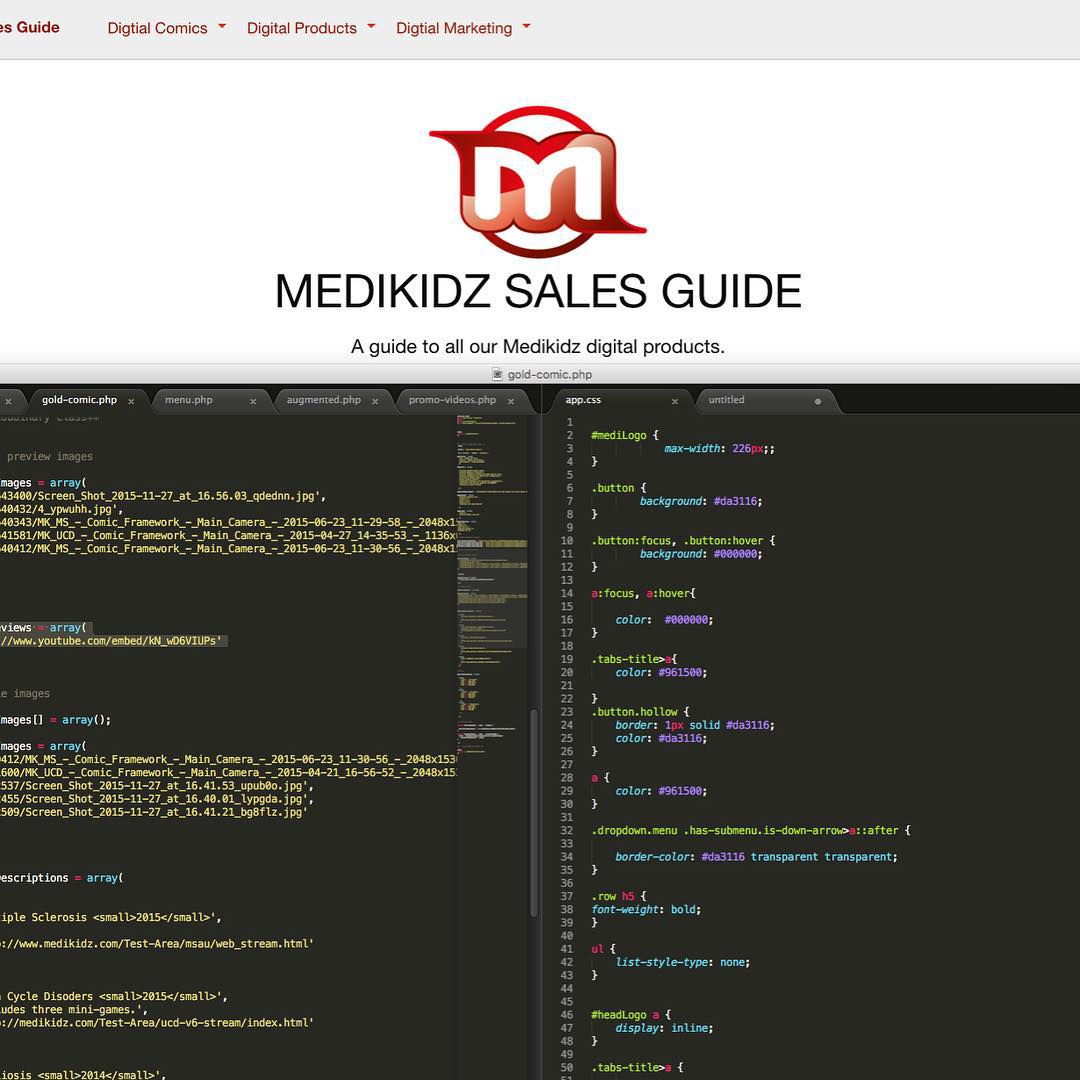
The CMS I built for the sales team
Beyond the game itself, I built the Medikidz Sales Guide: an internal CMS for all our digital products, so the sales team could demo comics, games, and marketing materials to pharmaceutical clients. PHP arrays, CSS styling, and YouTube embeds. The code was gloriously messy, but the sales team actually used it.
📱Augmented Reality and Beyond
We were experimenting with augmented reality for insulin education before AR was something most people talked about. The idea was simple: point your phone at a SoloStar insulin pen leaflet and a 3D character would appear, explaining how to use the pen. I designed the 3D characters and built the AR prototype.
We also brought the characters to life in person. School visits in full superhero costumes, explaining conditions like diabetes and gastro diseases to children who were living with them. Trying to make cancer understandable to a seven-year-old turns out to be excellent training for explaining anything complex to anyone.
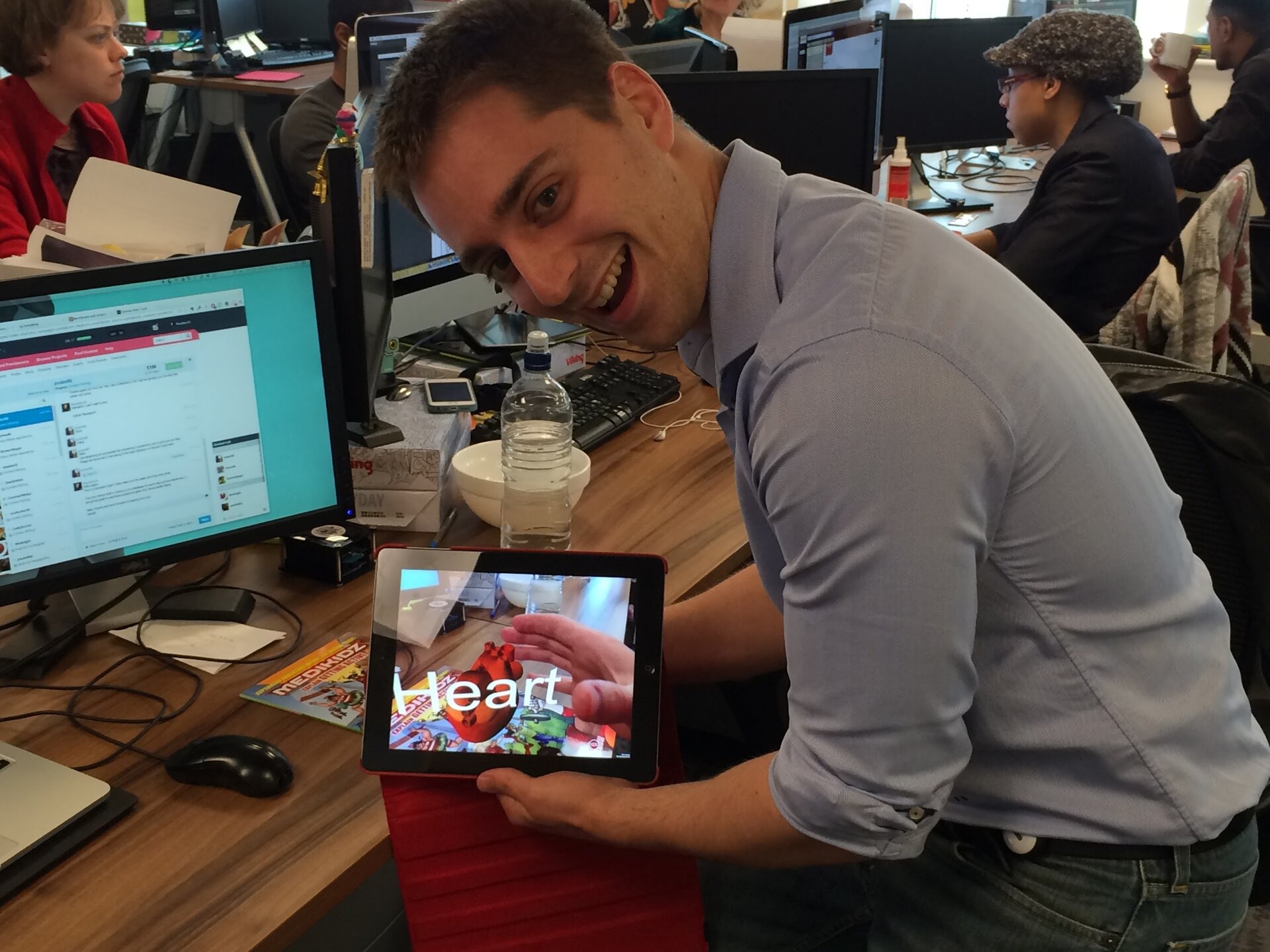
Demonstrating the AR heart app, 2014
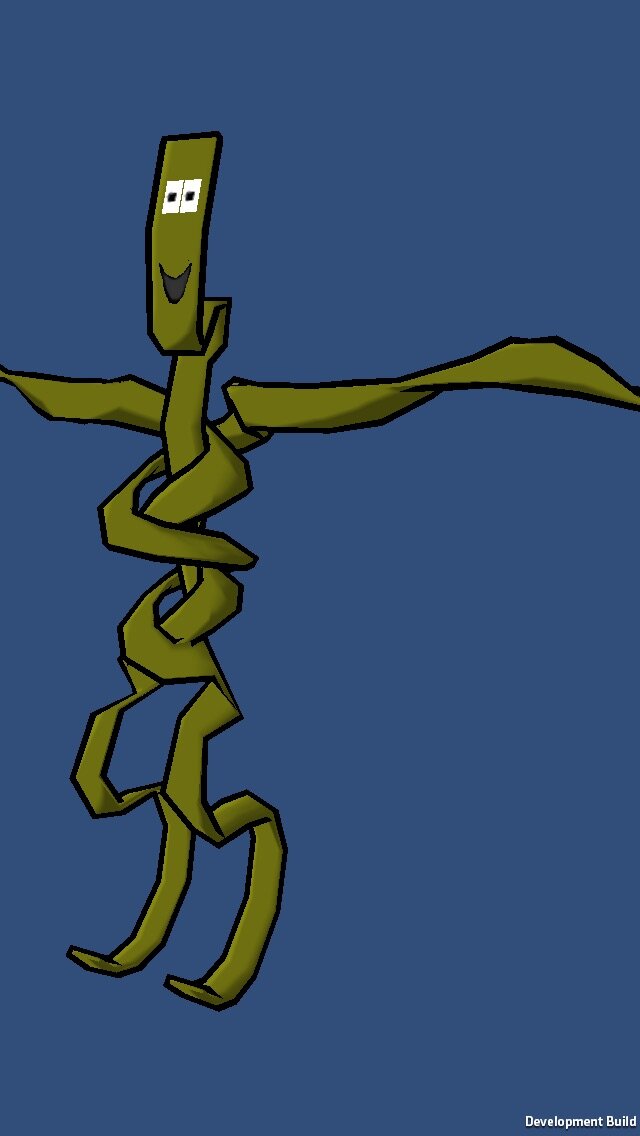
3D character for the insulin pen AR experience

School visits in full superhero mode
💡What I Took Away
- Paper prototype before you code. If a child can't follow the paper version, the digital one won't work either.
- Domain expertise matters. My medical training let me recognise when a physics simulation was accidentally medically accurate. That wouldn't have happened with a pure engineering team.
- Build the messy thing. The CMS was held together with PHP arrays and willpower, but the sales team used it every day. Shipping something imperfect that people actually use beats a polished thing that never launches.
- Making hard things simple is a transferable skill. Explaining chemotherapy to a child and explaining RAG to a researcher are fundamentally the same challenge: clarity without losing accuracy.